
News
-
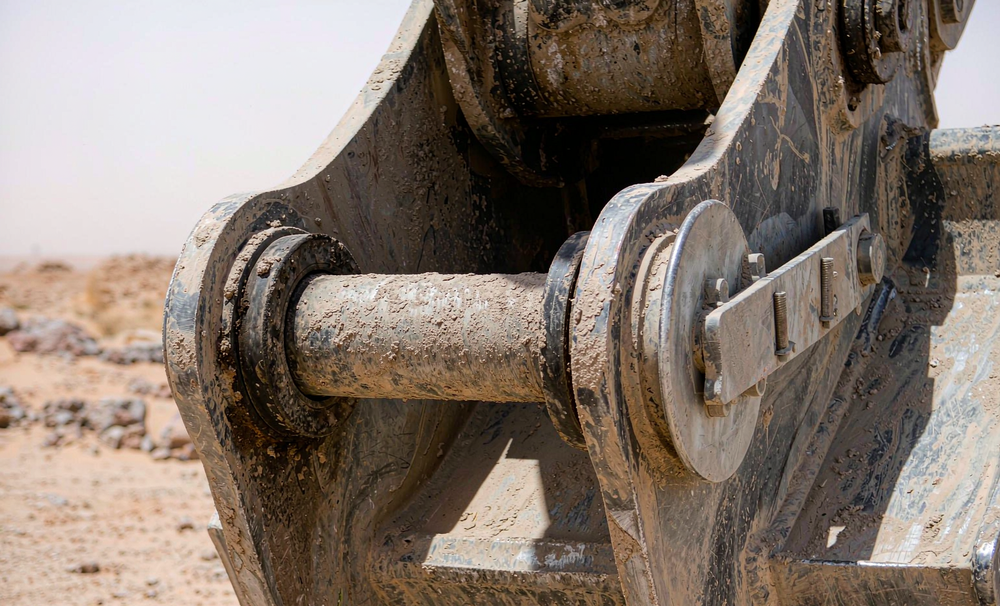
How to Choose Excavator Parts for High-Heat and Desert Sites
For a machine working at 45 °C in blowing sand, the parts that fail first are not the ones carrying the highest load. They are the grease-lubricated joints...Read more -

Pinglu Canal Opens: What It Changes for Excavator Parts Exporters
China’s Pinglu Canal opened to navigation in September 2026, giving southwest China a direct sea route to the Beibu Gulf through Qinzhou and cutting inland...Read more -
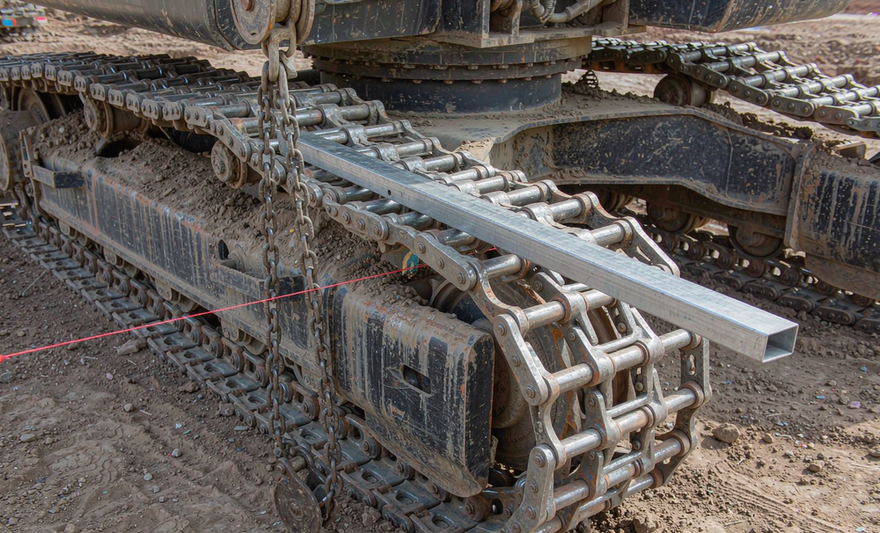
How to Measure and Set Excavator Track Tension (Sag)
Excavator track tension is set by measuring the sag in the top span of the chain, and on most 20-tonne class machines the correct figure is roughly 25–40 mm....Read more -
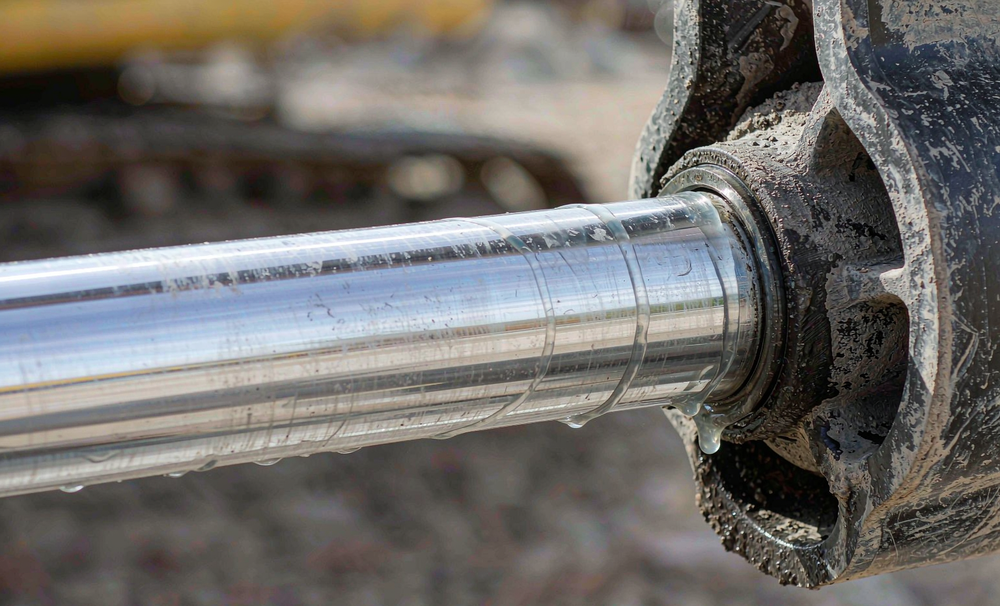
Why Is My Excavator Cylinder Leaking Oil? Diagnosing a Rod Seal
An excavator cylinder that leaks at the rod usually has a worn rod seal, a hardened wiper or a damaged rod surface, and fitting a new seal without finding...Read more -
Electric Excavators Are Just 0.6% of China's Sales: What It Means for Parts Demand
Electric loaders reached more than 58% of China's loader sales in the first three quarters of 2026, while electric excavators accounted for roughly 0.6% —...Read more -
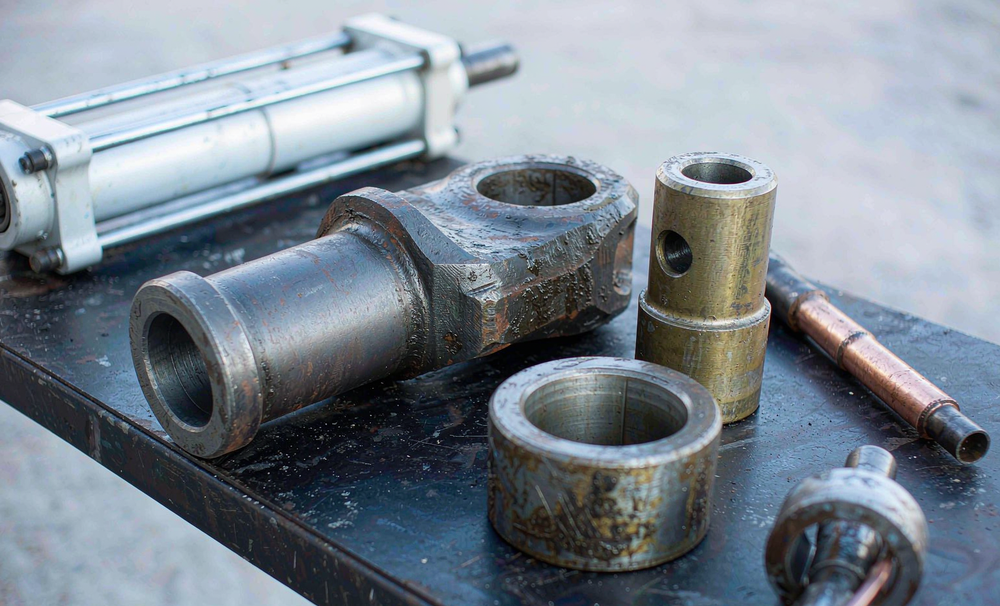
How to Remove a Seized Excavator Bucket Pin Without Damaging the Bore
A seized pin comes out by steady push, not by hitting it. Support the assembly, release every piece of retaining hardware, soak the joint, heat the boss...Read more -
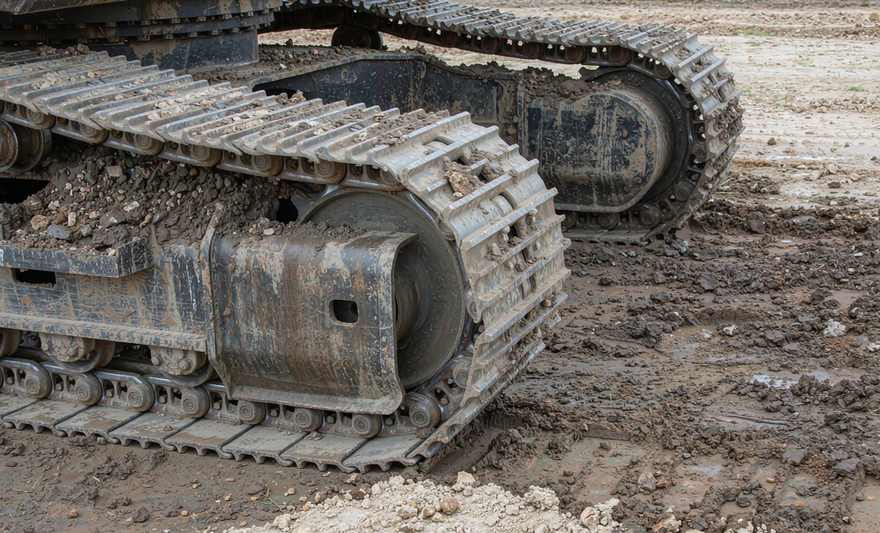
Why Do Excavator Tracks Come Off? 7 Causes and How to Fix Each One
An excavator throws its track when the chain stops running inside the guide path formed by the sprocket, the front idler and the rollers — and in most cases...Read more -
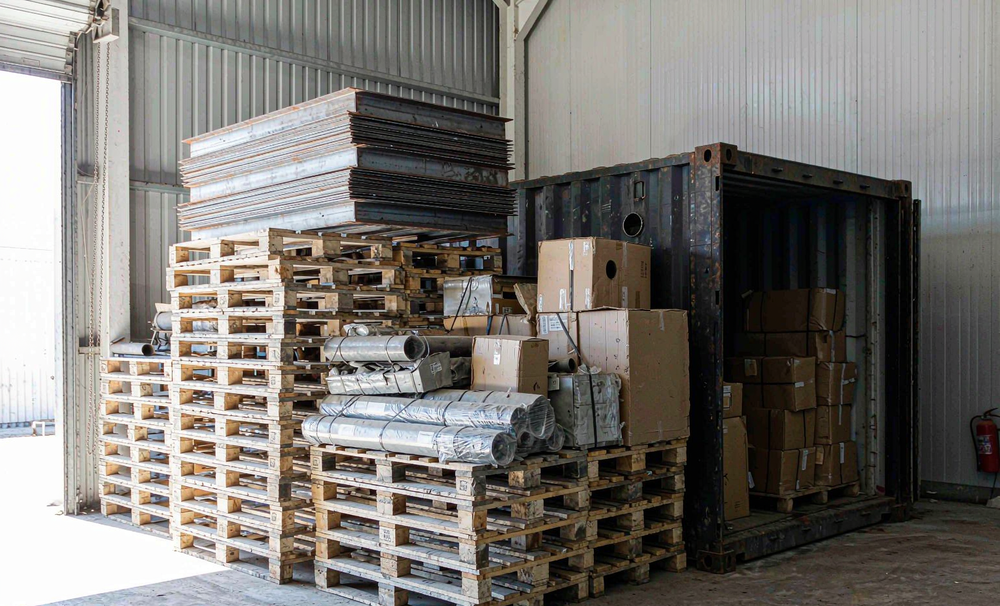
Where Excavator Parts Demand Is Growing in 2026: Africa, Latin America and Southeast Asia
The fastest-growing destinations for Chinese excavator exports in 2026 are Africa, Latin America and Southeast Asia, and that matters to parts buyers because...Read more -
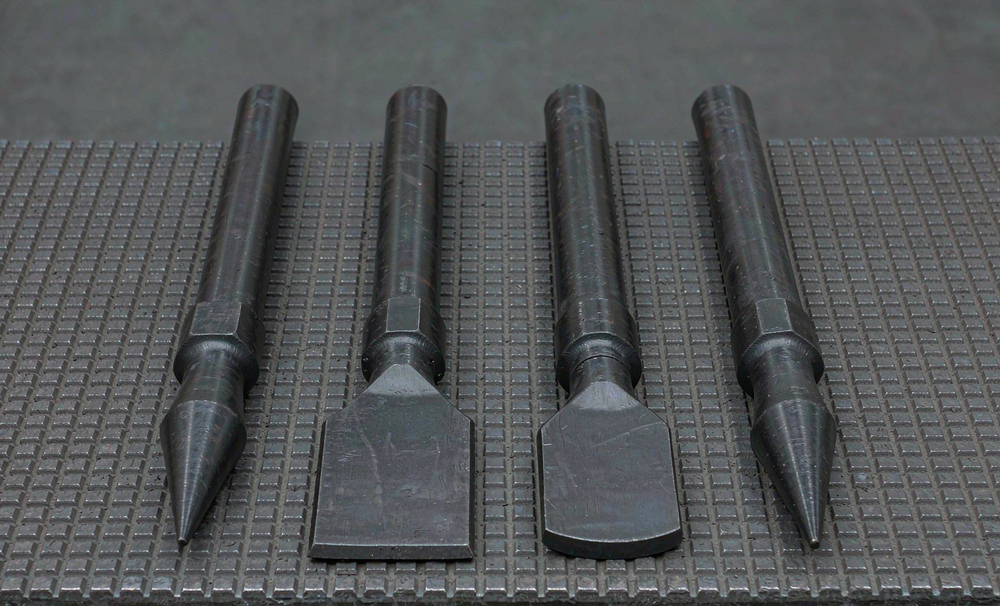
Moil Point vs Chisel vs Blunt: How to Pick a Hydraulic Breaker Tool
Pick the breaker tool by how the energy needs to enter the material: a moil point concentrates impact into a tiny contact area for hard, brittle rock; a flat...Read more -
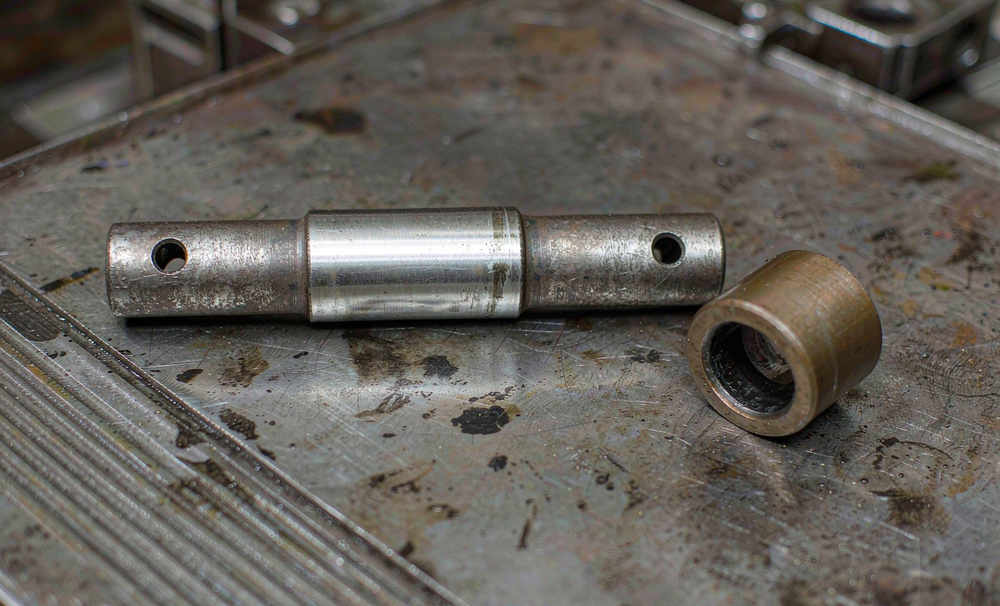
How to Tell If an Excavator Bushing Is Worn Out (Not Just the Pin)
A worn bushing is confirmed by measuring radial clearance between the pin and the bushing bore: a new or rebuilt joint runs roughly 0.2–0.5 mm, and once that...Read more -
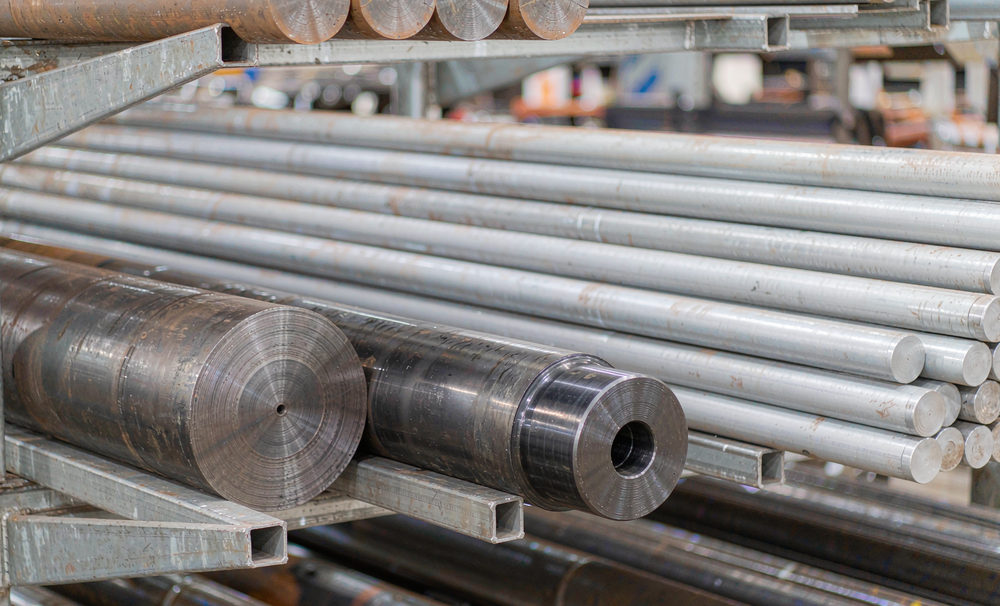
Alloy Steel Prices and Excavator Wear Parts: What Q4 2026 Looks Like
The alloy steels that excavator pins and bushings are made from have been close to flat through early October 2026, so Q4 wear-part pricing is being driven...Read more -
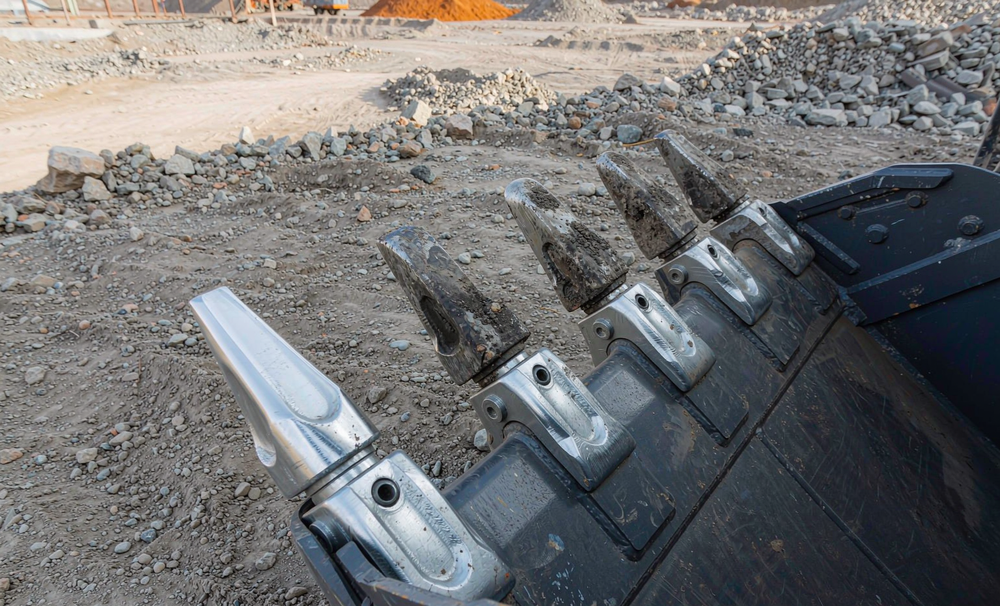
When to Replace Excavator Bucket Teeth: Wear Limits and How to Measure Them
Replace excavator bucket teeth when they have worn to roughly 50–60% of their original length, or immediately if a crack appears anywhere in the tooth body....Read more